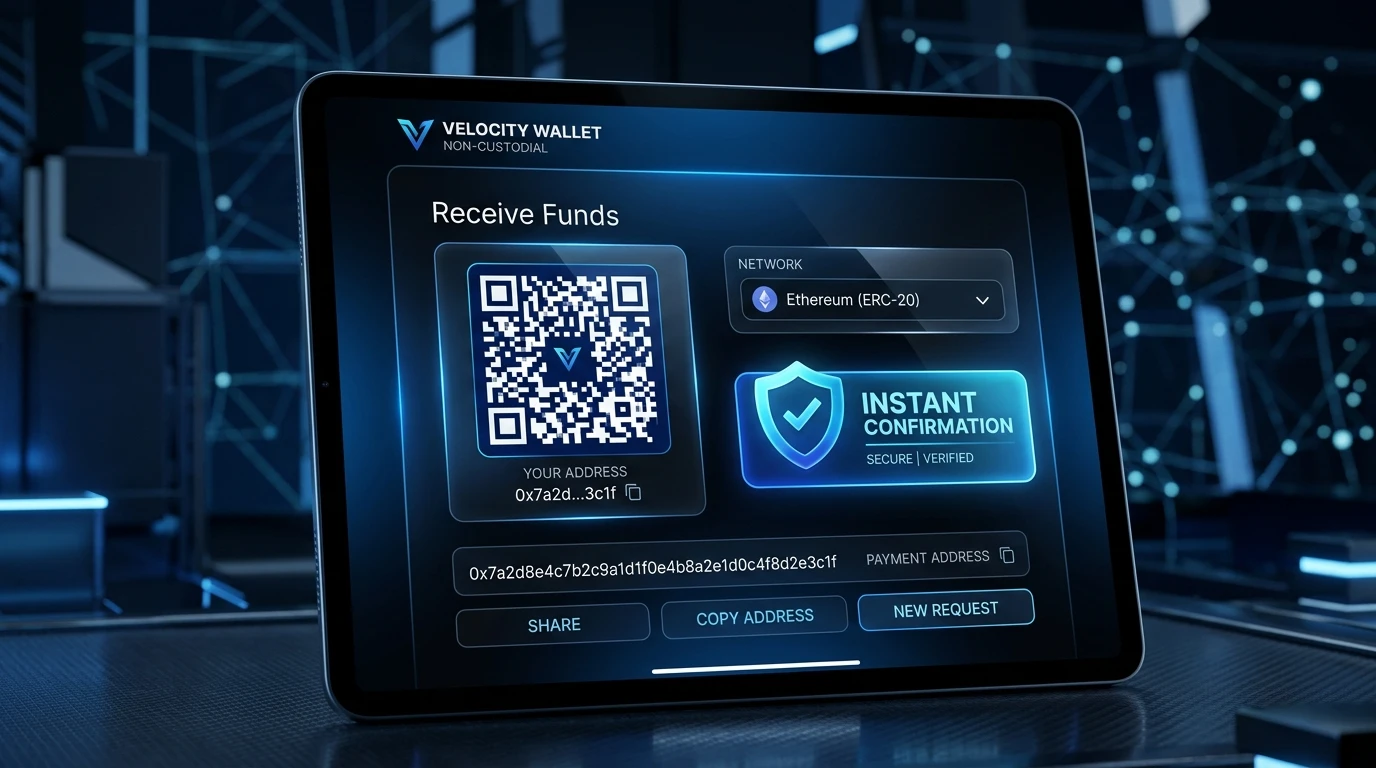
How Wallets Shape Payments
When choosing a crypto wallet for casino deposits and payouts, remember that it connects your funds to the casino's payment address. It affects how you keep your crypto, send deposits, and receive payouts.
A crypto wallet does more than store your coins. It also helps you choose the correct network, approve transfers, and keep track of payments.
Deposits and payouts may use different networks, charge different fees, and handle your funds in different ways. That is why this page compares wallet characteristics rather than casino brands.
Most Australians begin by purchasing crypto using their AUD from services such as CoinSpot and Swyftx. While evaluating a wallet, we consider the type of networks supported, the ease of withdrawals, availability of logs, and how well the transactions are shown. A wallet does not remove operator checks, jurisdictional restrictions, or transaction risk.
For educational purposes only, not financial or legal advice.
The asset name is only the first check. Matching "USDT" or "ETH" is not enough. The sending wallet, receiving address and selected blockchain network must all support the same route. A correct ticker on the wrong network can still result in a failed or difficult-to-recover transfer.
Approving and Receiving Payments
A crypto wallet gives you a public receiving address. That address can be used as the destination for a payout or as the source from which you send a deposit. With a personal wallet, you control its private key or recovery phrase. A Bitcoin recovery phrase usually contains 12 or 24 words. Keep it offline, as anyone with these words can restore and access the wallet on another compatible device. When you send funds out, the wallet does not move coins in the way a bank app does. It signs an outgoing transaction with your credentials, then broadcasts that transaction to the blockchain.
An exchange balance works differently. The exchange usually controls the keys, so you are asking its system to send on your behalf rather than signing directly from a self-custody wallet. That is the core difference between an exchange wallet and a personal wallet:
- A custodial platform controls the keys and withdrawal process.
- A self-custody wallet lets you sign the transaction directly.
- Either route still requires the correct asset, address and network.
- Both routes can involve account or transaction checks.
Those who are new to the concept of crypto wallets can begin with our full cryptocurrency wallet guide. Here is where you learn about hot wallets, cold wallets, private keys, and recovery phrases in a straightforward manner.
Custody and Withdrawal Control
One of the first choices is how your wallet will hold your crypto. With a custodial wallet, a third party controls the keys and approves transfers. With a self-custody wallet, you control the keys and are responsible for keeping access to your funds.
Custodial Wallet Considerations
In a custodial setup, a third party controls the private keys and processes withdrawals through its own platform. That can feel simpler at first, especially if you already keep funds on an exchange. Login recovery and account access may be handled through the provider, but withdrawals can depend on:
- account verification
- service-specific limits
- supported networks
- security holds
- destination restrictions
- internal processing queues
Some services restrict or review direct transfers to gambling-related destinations. Check whether external withdrawals are supported for the asset and network you plan to use before buying or moving funds.
Self-Custody Wallet Considerations
You manage your wallet keys in case of self-custody. You have to make sure that you keep your backup secured, secure your device, and use the correct address. A lost device does not necessarily mean lost funds if the recovery phrase has been stored correctly. A lost recovery phrase, combined with loss of wallet access, can make recovery impossible.
Sending to the wrong address or selecting an unsupported network can also leave limited recovery options after confirmation. A self-custody wallet should not be treated as anonymous, risk-free or outside normal compliance checks.
To see how asset and network support changes the payment route, compare Bitcoin, Ethereum and USDT payment methods before selecting a wallet.
What to Look for in a Bitcoin Wallet
A Bitcoin wallet for casino deposits needs more than a send button. Useful features include:
- native Bitcoin address support
- clear receiving-address generation
- adjustable fee controls
- transaction ID access
- pending and confirmed status information
- recovery from a tested backup
- hardware-wallet integration where needed
Bitcoin blocks are generated once in every 10 minutes on an average basis, but some blocks may take longer or shorter time. A casino may also wait for several confirmations before adding the payment to your account. Since each operator may have different rules, check the cashier instructions before sending crypto.
Your wallet should show the full transaction ID. You can insert the ID in a blockchain explorer to verify if the money was transferred, and the number of confirmations it has.
The feature of supporting a hardware wallet is also helpful, because it will allow you to examine the address and transaction information on a different device. Recovery still depends on how securely the backup phrase is stored.
For a wider comparison of storage types and Bitcoin-specific features, see our Bitcoin wallet selection guide.
On-Chain Bitcoin and Other Payment Layers
Some wallets support both on-chain Bitcoin and separate payment layers. Those routes are not interchangeable. If the payment page shows a Bitcoin address, your wallet must send the funds through the Bitcoin network. A separately supported payment layer requires a compatible invoice or address format.
The payment method shown by the service must match the route selected in the wallet. Do not assume that any screen labelled "Bitcoin" supports every Bitcoin-based transfer method.
Ethereum Wallets and Token Support
Ethereum wallet selection depends largely on the compatibility of networks and tokens with the wallet. The addresses are EVM compatible and begin with 0x. These addresses can be used in Ethereum as well as in other compatible networks, though these are different networks and cannot always be used interchangeably.
One round is 12 seconds long, providing the validator a chance to create a block. It can be placed on the blockchain instantly, but still, the system may need to make further confirmations or its own verification in order to transfer the money to your wallet.
For ETH and ERC-20 tokens, you should ensure that the wallet:
- supports Ethereum mainnet
- displays the required token
- shows the correct token contract
- holds enough ETH to pay Ethereum gas where required
- supports the receiving network named by the service
- provides clear transaction history
USDT is a useful example because it exists on several blockchains. A payout labelled USDT still needs the correct network at both ends. If a service sends USDT through Ethereum, the receiving wallet must support that ERC-20 route. Selecting another USDT network is not a substitute, even though the ticker remains the same.
Our guide to Ethereum wallet options explains EVM addresses, ERC-20 support and the differences between mobile, browser and hardware wallets.
Pre-Deposit Checks
Even a well-designed wallet cannot correct an unsupported network after the transfer has been confirmed. When we review a payment flow, we slow down at the send screen and verify each field in sequence:
- Make sure you have the right currency. BTC, ETH, and USDT cannot be used interchangeably.
- Confirm the blockchain network as a separate check. The asset name alone does not prove compatibility.
- Copy the address on the payment screen; do not type the address manually.
- Check the first and last letter of the address after copying. This helps catch copy errors and address replacement malware.
- Check whether a memo, tag, or reference field is required. Some transfers need more than the wallet address.
- Review the network fee before sending so the transfer cost and final amount are clear.
- Confirm the operator's minimum deposit rule. No universal threshold exists, so the published requirement at that service matters.
- Consider a small test transfer where practical, but do not assume every service accepts test amounts below its minimum.
Address and Network Checks
Matching the ticker alone is not enough. The sending wallet, destination address and selected blockchain must line up. This is especially important for ETH and USDT because similar address formats can appear on different compatible networks.
Address-replacement malware is another practical risk. It can change a copied address in the clipboard before you paste it. Comparing the beginning and end of the address on the final confirmation screen provides a simple check before signing.
Approval to Confirmation
A payout usually moves through three separate intervals.
1. Operator Review. The process begins when you submit a receiving address and withdrawal amount. The service may complete account, security or transaction checks before anything appears on-chain. These can include automated screening, manual review, wallet checks or queue time. At this stage, no blockchain transaction may exist yet.
2. Broadcast. After approval, the service prepares and broadcasts the transaction. Confirmation does not begin when the withdrawal is requested. It begins only after the transaction reaches the network. Once broadcast, a wallet may show the payment as incoming or pending before it becomes spendable.
3. Blockchain Confirmation. The network then confirms the transaction according to its own block process and the receiving wallet's rules.
Published payout windows are service-specific. They do not establish one fixed result for every request. Internal review can take longer than the blockchain stage, while congestion or fee selection can add time after broadcast. Our guide to crypto withdrawal processing times separates operator review, network broadcast and wallet confirmation in more detail.
Fees and Limits
The visible blockchain fee is only one part of the total cost. A payment route can include:
- the exchange trading fee
- the spread included in an AUD purchase
- the exchange withdrawal fee
- the blockchain network fee
- an in-wallet swap fee
- a minimum deposit or payout threshold
The common Australian route is straightforward on paper: deposit AUD with an exchange, buy BTC, ETH or USDT, withdraw the asset to a compatible wallet, send it to the payment address, receive any payout back to a supported wallet, and transfer to an exchange if converting back to AUD.
Each movement can create a separate fee or minimum. CoinSpot and Swyftx are relevant local examples because Australians may use them to move between AUD and crypto. Current withdrawal fees and minimums should be checked on the live send screen before approving a transfer because network conditions and platform settings can change.
Do not compare wallets by the final network fee alone. Count every step between AUD, the personal wallet, the payment address and any later conversion back to AUD.
Security Checks
No wallet removes every risk. The aim is to reduce avoidable errors before sending and verify what happened afterwards. Useful habits include:
- Keep the recovery phrase offline.
- Avoid screenshots, email drafts and cloud notes.
- Use a strong device lock.
- Keep the operating system and wallet software updated.
- Download wallet applications from the official source.
- Review the asset, network, address and amount before approval.
- Confirm transactions on a hardware-wallet screen where supported.
- Check the transaction in a blockchain explorer after broadcast.
- Keep the transaction ID, date, asset, network and AUD value.
A Bitcoin-only desktop wallet may suit someone who wants fewer network options on screen. Readers considering that route can review our Electrum wallet assessment for details on Bitcoin address control, fee settings and hardware-wallet compatibility.
Security also includes separating payment funds from long-term holdings. A wallet used regularly for deposits and payouts does not need to hold the rest of a person's crypto balance.
Bitcoin vs. Multi-Asset Wallets
A Bitcoin wallet usually presents a cleaner payment path because BTC is matched to a Bitcoin address on the Bitcoin network. A multi-asset wallet can support BTC, ETH, USDT and several networks within one interface. That flexibility creates more choices at the send screen.
A broader wallet may require you to confirm:
- which asset is being sent
- which network carries it
- whether gas is paid in another asset
- whether a token contract is correct
- whether the recipient supports that route
Neither setup is automatically better. A Bitcoin-only wallet can reduce network-selection clutter. A multi-asset wallet may be more practical for someone receiving several supported assets, provided the interface makes each chain clear.
For the Bitcoin-specific payment path, our guide to Bitcoin deposits and withdrawals explains address checks, transaction broadcast and confirmation stages.
Compliance, Tax and Australian Support
From a wallet perspective, the Interactive Gambling Act 2001 regulates the provision and promotion of certain interactive gambling services. ACMA oversees the framework and takes enforcement action against services it finds in breach.
The legal position depends on the service, offering and jurisdiction. Using a wallet does not itself determine whether an operator is permitted to provide a service to Australians. ACMA's enforcement reporting continues to focus on providers offering or advertising prohibited or unlicenced services to Australian customers.
A wallet also does not remove identity or source-of-funds checks. Exchanges and payment services may review withdrawals, wallet destinations or account activity under their own compliance processes.
ATO record keeping can matter when crypto is sold, swapped, converted to AUD or used to buy goods or services. The ATO states that disposing of an investment crypto asset can trigger a CGT event and that records should be kept for each asset and transaction, including values converted into Australian dollars.
BetStop applies to Australian-licenced online and phone wagering providers, not every offshore casino-style service. ACMA says it covers approximately 150 licenced wagering providers and allows exclusion periods from three months up to a lifetime.
Gambling Help Online offers free and confidential counselling throughout Australia around the clock. The National Gambling Helpline number is 1800 858 858.
For educational purposes only, not financial or legal advice.
Matching a Wallet to the Payment Route
There is no universal wallet winner. Map the wallet to the route you plan to use. Check the asset, accepted network, custody model, recovery method, fee display and receiving-address control.
We also look at whether the wallet provides a clear transaction history and whether the destination can be checked before approval. Those points usually decide whether a payment route is practical.
Before sending, verify three items one final time: the asset, the network, and the receiving address. A polished interface cannot correct a mismatched chain after confirmation. The final send screen is where the decision becomes permanent.
Frequently Asked Questions
Is a self-custody wallet better for casino payouts?
It provides direct control of the receiving address and private keys. It also makes backup security, address checks and network selection your responsibility.
Can I receive a payout directly to an exchange?
Some exchanges accept deposits from external services, but supported networks, account checks and destination policies differ. Check the exchange's deposit instructions first.
How many Bitcoin confirmations are required?
There is no universal number. Each operator sets its own crediting policy, while Bitcoin blocks target an average interval of about 10 minutes.
Can the same Ethereum address receive USDT?
It may receive ERC-20 USDT if the wallet supports that token and network. The sender and receiver must select the same chain.
Do wallet fees stay the same?
No fixed figure applies. Fees can change with the blockchain, network demand, transaction type and the platform sending the asset.
Is a hardware wallet required?
No. It can add separate-device confirmation and offline key storage, but correct backups and careful transaction checks still matter.
Can a wallet reverse a mistaken payment?
Generally, the wallet cannot reverse a confirmed blockchain transfer. Recovery depends on the destination, network and whether the receiving party can assist.